
C4R
Caribbean Refuse - Reduce - Reuse - Recycle


The Caribbean Refuse, Reduce, Reuse, Recycle (C4R) project, led by Searious Business and funded by the Advancing Circular Economy (ACE) Facility of the Caribbean Biodiversity Fund, unites partners across the region to tackle plastic pollution at its source. Working with Vytal Dominican Republic and Vytal Global GmbH on reusable packaging systems, and with Renew Saint Lucia, Plastic Solutions Ltd., Triple Benefit, and Michelle Headley on recycling innovation, the project empowers island communities in Saint Lucia and the Dominican Republic to advance circular solutions and keep plastic out of the ocean.
🌎 Countries: Dominican Republic & Saint Lucia
🕒 Duration: 30 months (2025–2027)
💰 Budget: USD 1.14 million
🤝 Funded by: The Caribbean Biodiversity Fund through the Advancing Circular Economy (ACE) Facility, funded by KfW Development Bank on behalf of the Federal Ministry for Economic Cooperation and Development of Germany (BMZ).
⚙️ Implemented by: Searious Business and partners

Plastic Waste in Paradise
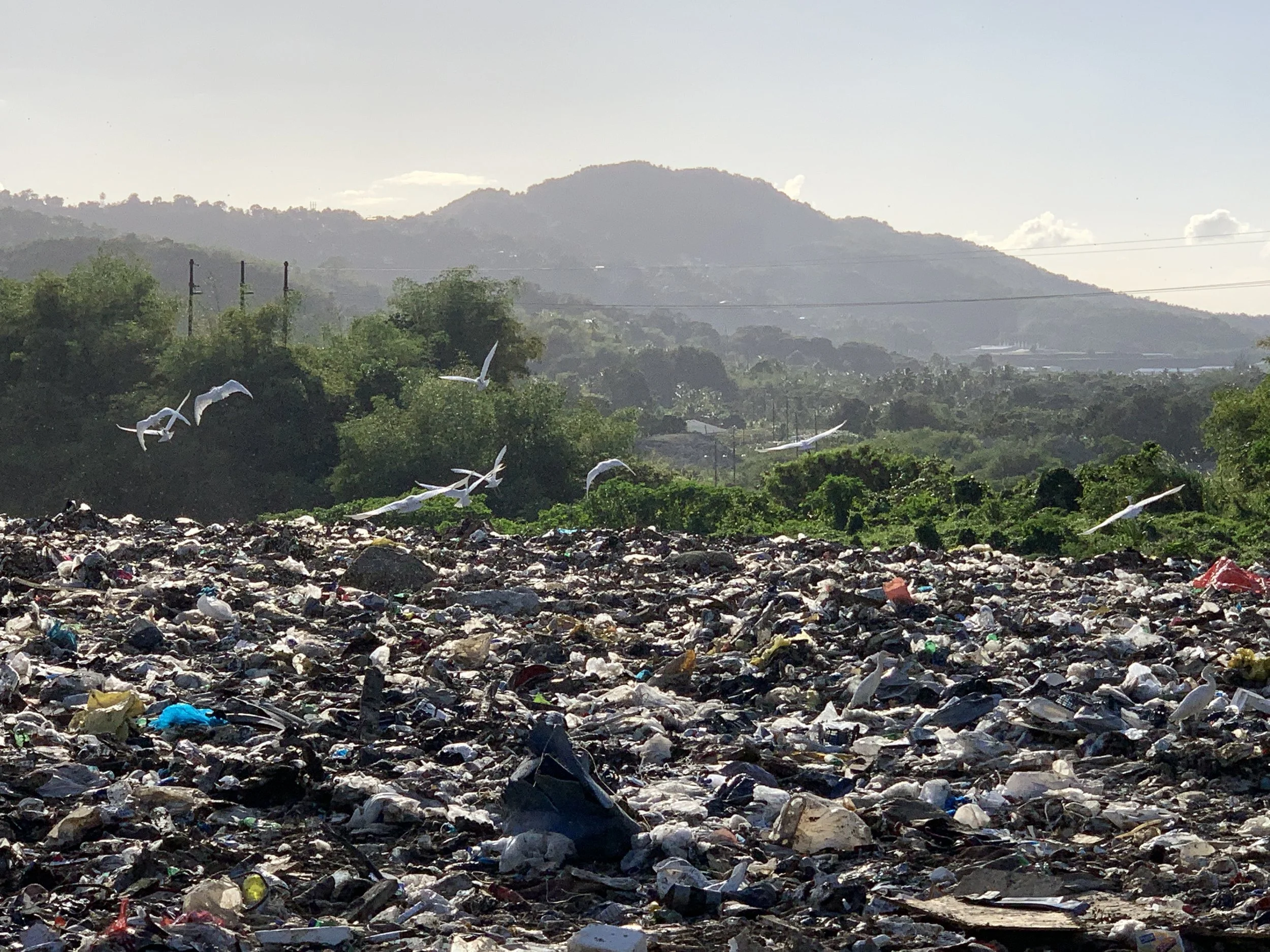
Every year, hundreds of tonnes of plastic waste threaten the Caribbean’s coral reefs, marine life, and livelihoods. In the Dominican Republic, over 70% of coastal plastic waste ends up in informal dumps or the ocean. In Saint Lucia, more than 800 tonnes leak into the environment annually. With tourism and coastal living on the rise, these small island nations face a big challenge — but also a powerful opportunity to lead in circular solutions.
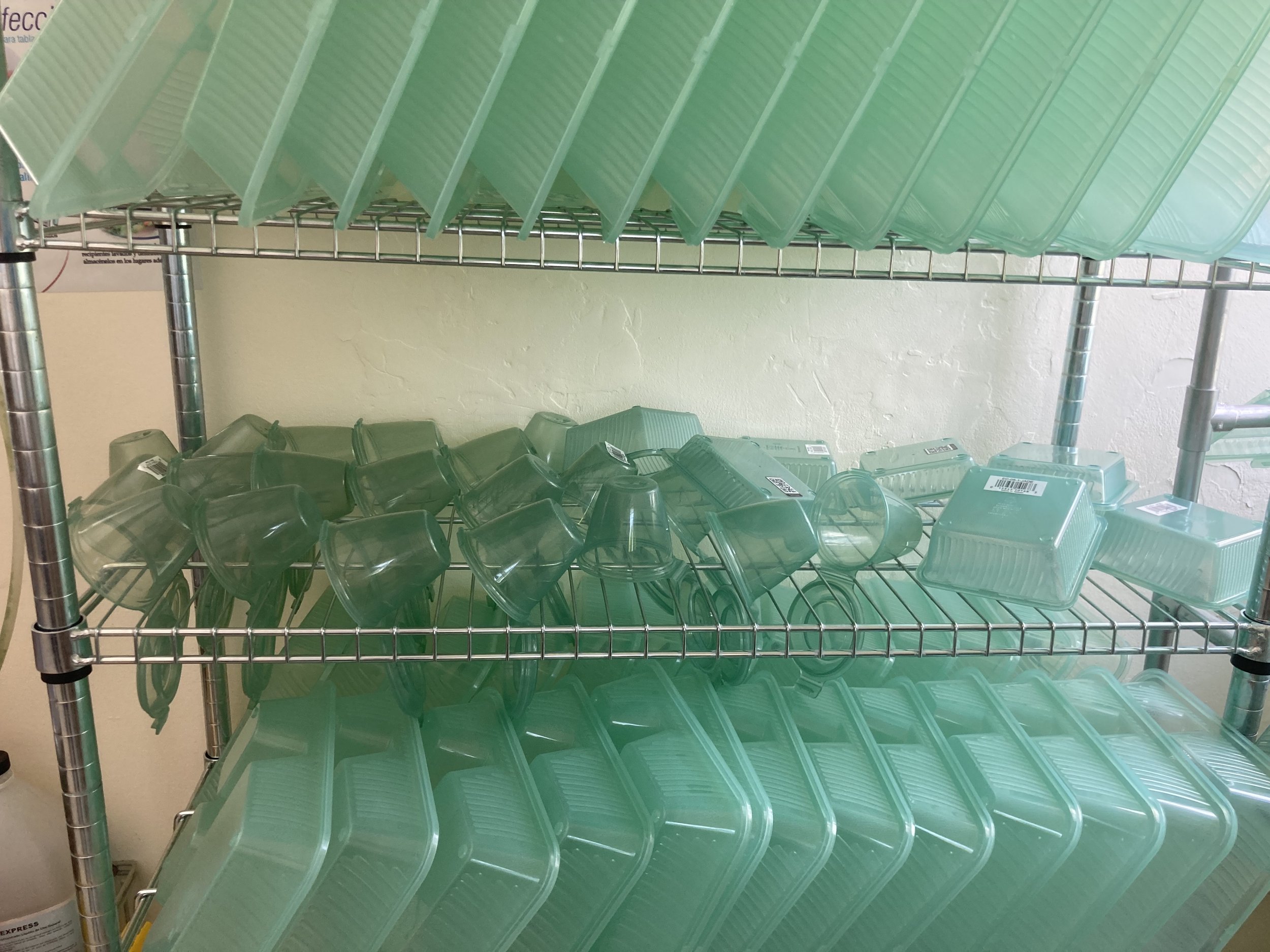
Reuse in Dominican Republic
In the Dominican Republic, C4R will replace single-use food packaging with a smart, reusable system. Together with Vytal Dominican Republic and Vytal Global GmbH, the project will introduce reusable containers equipped with QR codes to track use, return, and cleaning. Restaurants and cafés in Santo Domingo, Punta Cana, and Puerto Plata will be able to offer take-away meals without the waste. By building local infrastructure, training businesses, and engaging consumers, this initiative aims to eliminate 15 tonnes of virgin plastic annually and spark a reuse revolution across the Caribbean.
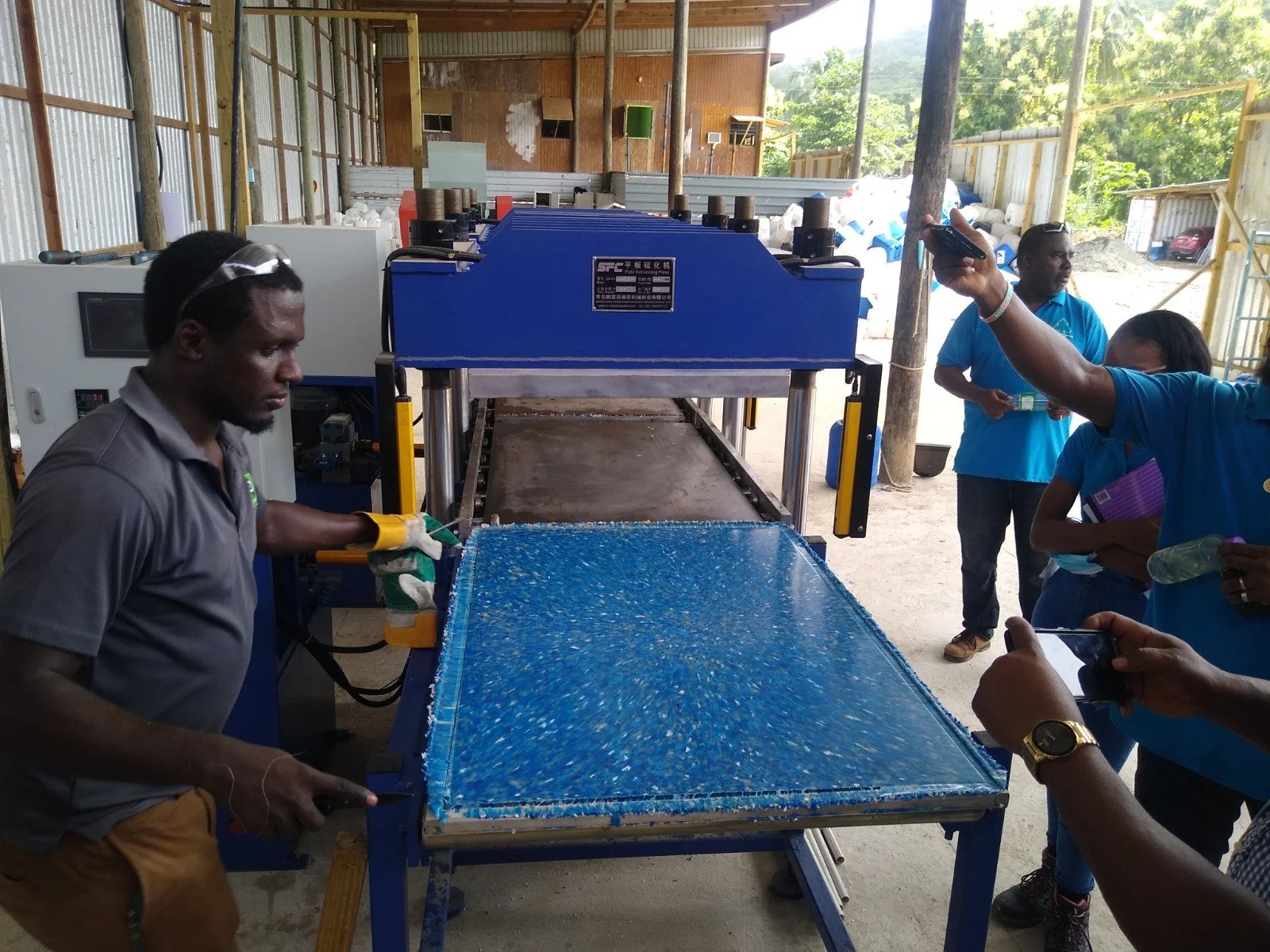
Recycling in St Lucia
In Saint Lucia, C4R will strengthen local recycling by transforming plastic waste into valuable new products. Working with Renew Saint Lucia, Plastic Solutions Ltd., Triple Benefit, and Michelle Headley, the project will expand and upgrade a shared recycling hub capable of processing 160,000 kg of plastic per year. Collected HDPE and PP plastics will be cleaned, shredded, and pressed into durable items like furniture and construction materials. Through training, innovation, and community collaboration, Saint Lucia will lead the way in turning waste into opportunity for a circular Caribbean.

The two pilots are designed to complete the circle. The reusable takeaway containers introduced in the Dominican Republic will be made from the same recyclable plastics—HDPE and PP—processed in Saint Lucia’s waste-to-product facility. This investigates an EoL solution for the containers. Insights from the reuse system will inform the development of similar models in Saint Lucia, creating a scalable blueprint for circular plastic solutions across the Caribbean.
This project is supported by the Caribbean Biodiversity Fund through the Advancing Circular Economy (ACE) Facility, funded by KfW Development Bank on behalf of the Federal Ministry for Economic Cooperation and Development of Germany (BMZ).


Circular change in action
Inspiration from Plastic Waste Free Islands

Searious Business monthly recap
Stay up to date with our projects and other developments in the circular economy